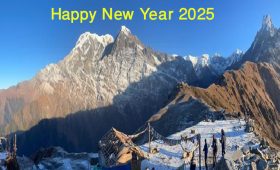
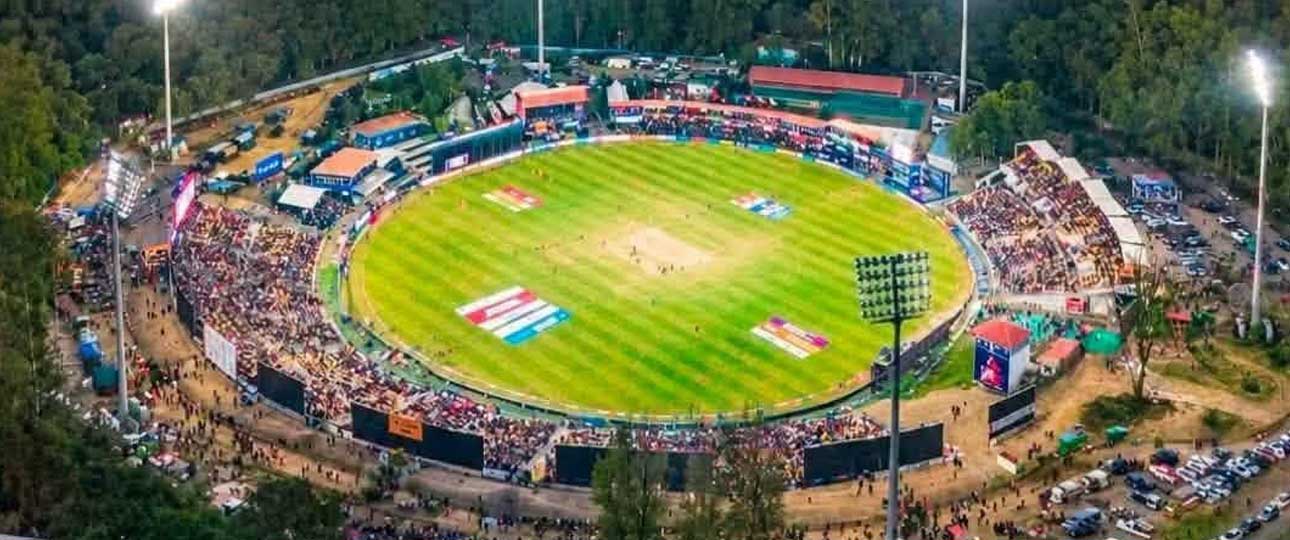
Nepal boasts extraordinary natural beauty, rich cultural heritage, spiritual destinations and warm hospitality. From the majestic Himalayas and the birthplace of Lord Buddha in Lumbini to the centuries-old historic streets of Kathmandu and the serene lakes of Pokhara; Nepal has enormous potential to attract visitors from around the world. Nepal offers a spectacular blend of crisp mountain weather and dramatic Himalayan backdrops across its sports venues, providing one of the most visually stunning settings in world cricket. As Nepal’s rapid ascent in international cricket continues to captivate fans globally, anticipation is reaching a fever pitch for the Nepal Premier League (NPL) Season III in Kathmandu. Hence, the tournament can promote cricket tourism in Nepal, drawing passionate cricket enthusiasts alongside a historic influx of world-renowned cricket legends and marquee international stars to the capital.
The Nepal Premier League (NPL) provides an exciting opportunity to achieve this goal. As Nepal’s premier franchise-based cricket tournament, the NPL brings together cricket fans, players, sponsors, businesses and media audiences. With the start of NPL Season 3, cricket can become more than a sporting event- it can become a powerful vehicle for promoting Nepal as an international tourism destination. By combining sports, tourism, culture, hospitality and business, NPL can help showcase Nepal to the rest of the world. Such promotions can generate more economic opportunities for local communities and stake holders. The objective should be to ensure that international viewers do not simply watch cricket in Nepal but also become interested in visiting Nepal.
1. Promoting Nepal to the International Audience
Cricket is immensely popular in neighboring countries such as India, Sri Lanka, Bangladesh and Pakistan in South Asia. Nepal can benefit this popularity to introduce major tourism activities to a wider audience. Live broadcasts, digital streaming, social media coverage, interviews and international sports reporting can expose viewers to Nepal’s landscapes, culture, cuisine and hospitality.
Every event offers opportunities to promote the country through stadium branding, tourism related business advertisements such as hotels, airlines and destination videos featuring respective tourism activities. For example, short tourism videos featuring Mount Everest, Pokhara’s Phewa Lake, Chitwan National Park, Lumbini and Kathmandu’s heritage sites could be shown during match intervals and shared across the league’s official digital platforms.
2. Attracting International Cricket Fans
NPL cricket matches can encourage international fans to travel to Nepal to watch their favorite teams and players in person. This creates opportunities for sports tourism, where people travel specifically to attend sporting events. The league could introduce special travel packages in partnership with airlines, hotels, travel agencies and tour operators. These packages could combine match tickets with accommodation, airport transfers and guided sightseeing tours.
For instance, an international visitor could attend an evening cricket match in Kathmandu and spend the following days exploring Bhaktapur, Patan, Pokhara or Chitwan. Such packages are also helpful to extend visitors’ stays and increase spending across hotels, restaurants, transportation services and shopping centers to purchase gifts and presents for families and friends.
3. Connecting Cricket with Nepal’s Major Tourist Destinations
One of the most effective ways to promote tourism through NPL would be to connect the tournament with Nepal’s major destinations. The stadium setting and the favourable weather can attract fans to visit the selected towns and cities. Each franchise could also help promote tourism in its associated city or region, encouraging fans to explore local attractions, cuisine, traditions, festivals and handicrafts.
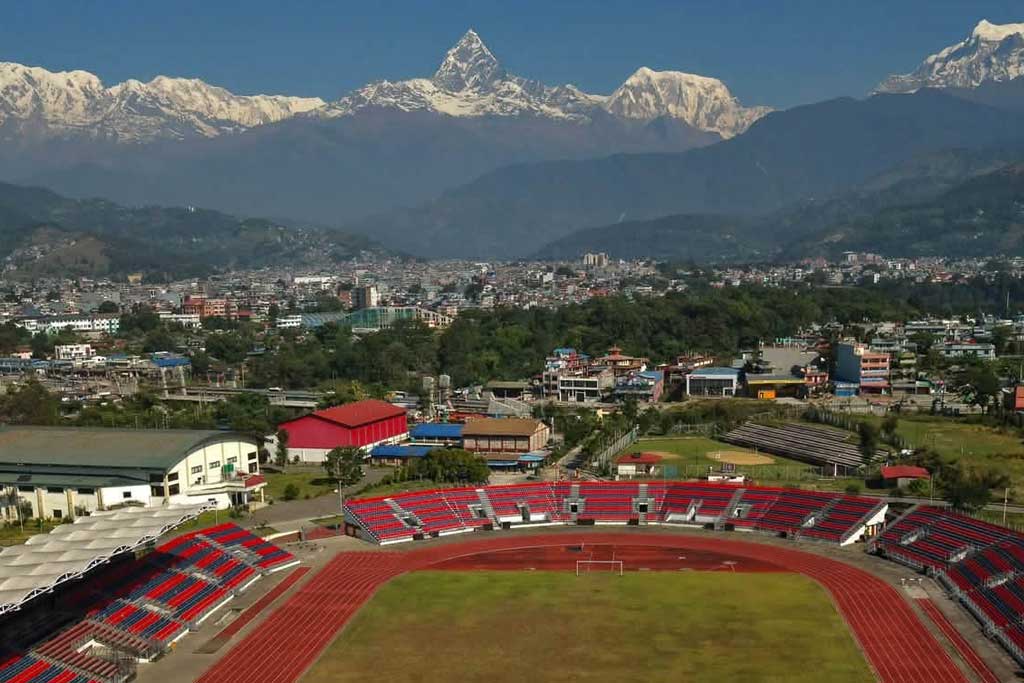
Kathmandu could be promoted as a center for heritage tourism, shopping, food and nightlife. Pokhara could be highlighted for its lakes, mountain views, adventure activities and relaxing atmosphere. Chitwan could attract visitors interested in wildlife and jungle safaris, while Lumbini could appeal to Buddhist pilgrims and cultural travelers.
4. Creating Business Opportunities for the Hotel Industry
The hospitality sector could be one of the major beneficiaries of the Nepal Premier League. Visiting players, team officials, sponsors, media personnel, international guests and cricket supporters all require accommodation, food, transportation and other services. Hotels could collaborate with the league to offer special packages for cricket fans, corporate guests and international visitors. Restaurants could introduce special match-day menus, while hotels could organize live screenings, fan gatherings and cricket-themed hospitality experiences.
The league could also establish partnerships with hospitality businesses to create official accommodation packages and promote participating hotels through its digital channels. For Nepal’s hotel industry, NPL provides an opportunity not only to increase occupancy during the tournament but also to build lasting relationships with travel companies, sports organizations and international visitors. The long-term objective should be to convert tournament visitors into repeat guests who may return to Nepal for holidays, business, conferences and family trips.
5. Promoting Nepali Food, Culture and Traditions
Tourism is not only about mountains and natural scenery; it is also about experiencing a country’s identity. NPL can introduce international audiences to Nepal’s unique cultural richness. The tournament could also feature Nepali food festivals, traditional music, cultural performances, local handicraft exhibitions and regional cuisine at fan zones and selected venues.
Visitors could experience dishes such as Momo, Dal-bhat, Newari cuisine and other regional specialties. Cultural showcases could include traditional dances, local art and demonstrations of Nepali craftsmanship. Such experiences would make the tournament more attractive to visitors while supporting local entrepreneurs, artists and various communities.
6. Using International Players as Tourism Ambassadors
International players, coaches, commentators and cricket personalities can play a vital role in promoting Nepal. Their social media accounts and public appearances often reach audiences far beyond the country. NPL could invite participating players to experience Nepal’s tourist attractions and share their experiences through photographs, short videos of interviews and travel stories.
Imagine an international cricketer sharing a video of a sunrise over the Himalayas, enjoying Nepali cuisine, exploring a historic temple or experiencing the beauty of Pokhara. Such authentic content could inspire fans to consider Nepal for their next holiday. These campaigns should be professionally coordinated, culturally respectful and supported by proper travel arrangements to maximize their promotional value.
7. Strengthening Nepal’s International Brand
NPL cricket can help position Nepal as a destination that offers more than trekking and mountaineering. It can showcase Nepal as a country suitable for sports tourism, family holidays, cultural exploration and adventure tourism. The message could appear in international advertising, digital campaigns, travel packages, stadium promotions and tourism partnerships.
The league could also work with the Nepal Tourism Board, tourism associations, airlines, hotels and private-sectors to ensure that NPL branding supports the country’s broader tourism strategy. A successful campaign would connect the excitement of cricket with the unique experiences that Nepal offers throughout the year.
8. Digital Marketing and Social Media Campaigns
Digital platforms provide an affordable way to reach potential tourists across international markets. NPL could develop a dedicated digital tourism campaign alongside its sporting content.
Possible initiatives include: Destination of the Match: Showcase a different Nepali tourist destination during each match.
Explore Nepal with NPL: Publish short videos highlighting attractions, hotels, restaurants and cultural experiences.
Cricket Fan Travel Stories: Encourage international fans to share their experiences of visiting Nepal.
Tourism Giveaways: Offer travel vouchers, hotel stays, sightseeing packages or match experiences through promotional competitions.
Influencer Partnerships: Invite travel creators and cricket content creators to experience and promote Nepal.
Digital Travel Guides: Provide visitors with practical information about the destination, transportation, accommodation and activities.
The campaign should target relevant international audiences, particularly cricket fans in India and other markets with strong interest in Nepal.
Success should be measured not only through views and likes but also through travel-package inquiries, hotel bookings, visitor numbers and daily spending of a tourist.
9. Encouraging Investment and Public-Private Partnerships
NPL can also create opportunities for investment in Nepal’s tourism and hospitality industries. As the league attracts sponsors, business leaders, international visitors and media attention, it can provide a platform to present investment opportunities in hotels, resorts, restaurants, adventure tourism, convention facilities and tourism infrastructure.
A dedicated tourism and hospitality business forum could be organized alongside the tournament. Investors could meet hotel operators, tourism entrepreneurs, travel companies and relevant government representatives. Such a forum could highlight Nepal’s tourism potential, discuss investment opportunities and encourage partnerships between domestic and international businesses.
10. Creating Employment and Supporting Local Communities
Tourism promotion through NPL could generate benefits throughout the local economy. Higher visitor numbers can increase demand for hotel employees, tour guides, drivers, restaurant workers, event organizers, security personnel, handicraft producers and so on.
Local businesses could benefit from increased sales, while tourism-related employment could create opportunities for young people. In order to maximize these benefits, the league should encourage partnerships with local suppliers and community tourism operators.
Responsible tourism promotion should also emphasize cleanliness, environmental protection, cultural preservation and respect for local communities. The ultimate goal should be to ensure the tournament’s economic benefits extend beyond the stadium. The outcome should reach the people who make Nepal such a welcoming destination.